Customer History Is Scattered
Contact details, conversations, and request notes live in different places. Your team wastes time looking for the information it needs.

Clearer service pages, simpler inquiries, and practical customer tracking.
As customer inquiries and daily tasks increase, scattered information and unclear handoffs make it harder to respond promptly, follow through, and see what needs attention.
Contact details, conversations, and request notes live in different places. Your team wastes time looking for the information it needs.
Without clear ownership, status, or scheduled next steps, important requests can be delayed or overlooked.
Understanding what’s pending, progressing, or completed requires checking multiple files, messages, and systems.

We start by understanding how requests enter your business, who handles them, and what information each step requires. From there, we recommend a practical solution that supports your existing operations.
A focused application should solve a defined business problem without creating unnecessary work. We select the functions that matter most and agree on the scope before implementation.
Capabilities are selected for each project. They do not represent a prebuilt CRM package.
Keep customer profiles, contact information, and relevant interactions in a structured place.
Capture requests, assign responsibilities, track progress, and manage next actions.
Organize approvals, service requests, order stages, or other repeatable business processes.
Define who can view, create, update, or approve information according to their responsibilities.
Connect suitable website forms, existing tools, and business systems where access and technical capabilities allow.
See open requests, completed work, follow-up activity, and other agreed operational indicators.

Imagine a customer submits a service inquiry. Instead of relying on disconnected messages and manual reminders, a simple workflow can help your team manage the request from the first contact to its completion.
Not every business needs custom software. We review your process and current tools before recommending the most practical approach.
When your current software or an established product already covers most requirements, configuration or integration may be the better choice.
When your workflow has specific requirements that existing tools cannot reasonably support, a purpose-built application may be more appropriate.
We focus on understanding the work, defining a practical first phase, and validating the result before handover.
Understand the workflow, users, customer records, task stages, and current challenges.
Agree on the first-phase scope, required functions, access rules, and acceptance criteria.
Configure, connect, or develop the agreed solution and its essential workflows.
Validate real use cases, complete the handover, and discuss future improvements or support where needed.
Practical answers to help you plan your CRM or workflow project.
Not necessarily. We first review what you already use and where the actual problems are. Improving an existing process or connecting tools may be more appropriate than replacing everything.
No. We assess your requirements and recommend an existing solution, configuration, integration, or focused custom development where appropriate.
Potentially, yes. Website forms, databases, and other business tools can be assessed for integration. The available options depend on system access, technical compatibility, and permissions.
Yes. A focused first phase is often the most practical approach. Additional capabilities can be evaluated after the initial workflow has been tested.
The scope, number of users, business rules, data quality, integrations, and choice between configuration and custom development all affect the estimate. We define these requirements before preparing a proposal.
We address user permissions, data responsibilities, and appropriate safeguards during discovery and scoping. Specific controls depend on the information involved and the agreed environment.
We complete the agreed testing and handover. Maintenance, monitoring, additional functions, and ongoing support can be arranged separately according to your needs.
Your website, customer records, and internal processes should support one another. Explore related services when they help solve the same business problem.
Make your services easier to understand and help potential customers contact your business.
Explore data solutions, integrations, automation, and technical support when your workflow requires them.
Examples of our work on business platforms and operational workflows. Each project is presented according to the work performed and its actual status.
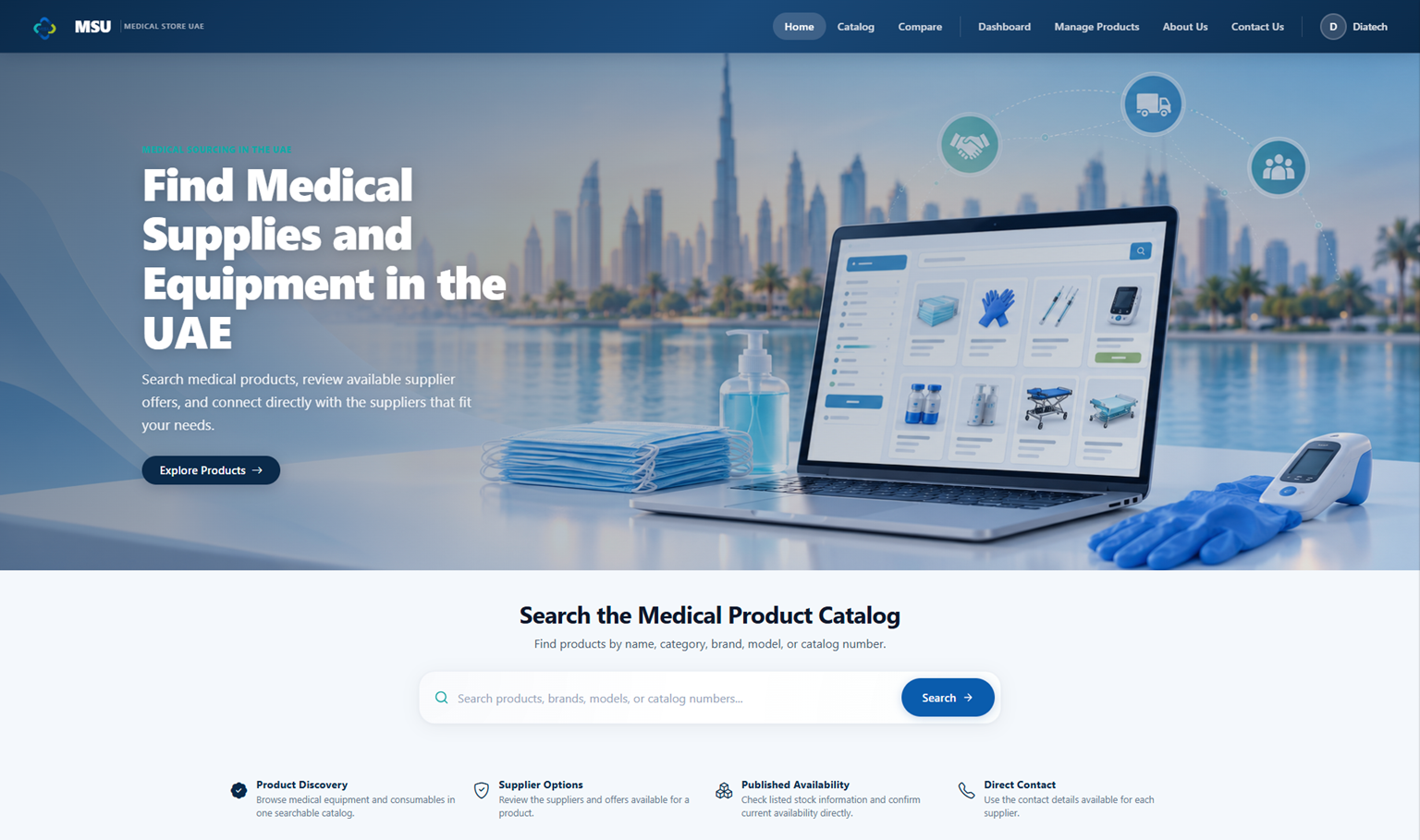
Reviewed supplier product, offer, and request journeys, documented issues, and retested fixes within an existing B2B platform.
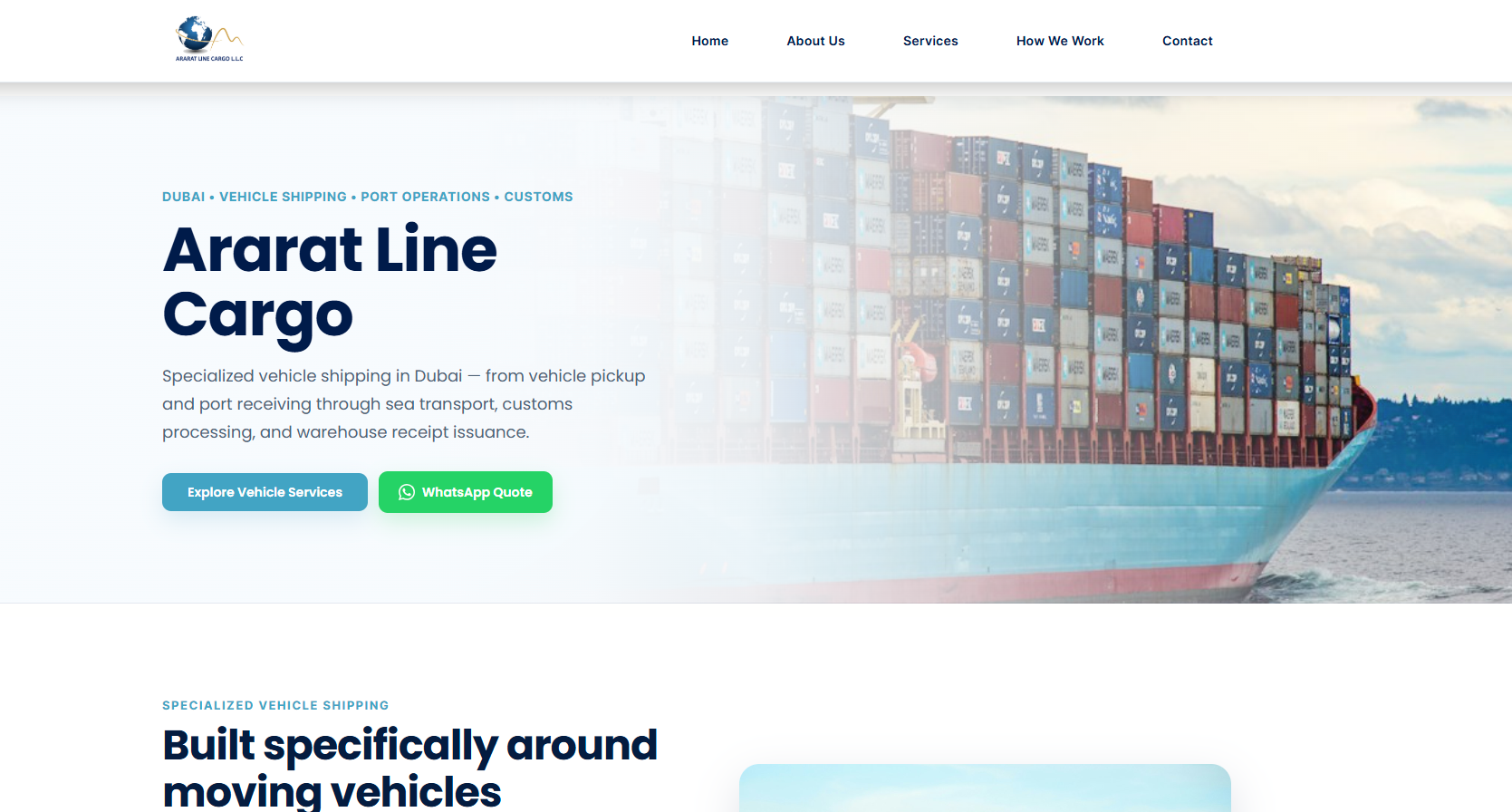
Mapped shipment orders, vehicle assignments, and document workflows, and tested application screens. The application remains in development.
Start With One Workflow
Tell us where requests, follow-ups, approvals, or reporting become difficult to manage. We can help define a practical first step and the scope needed to move forward.